
Albion: SHOBANA JEYASINGH
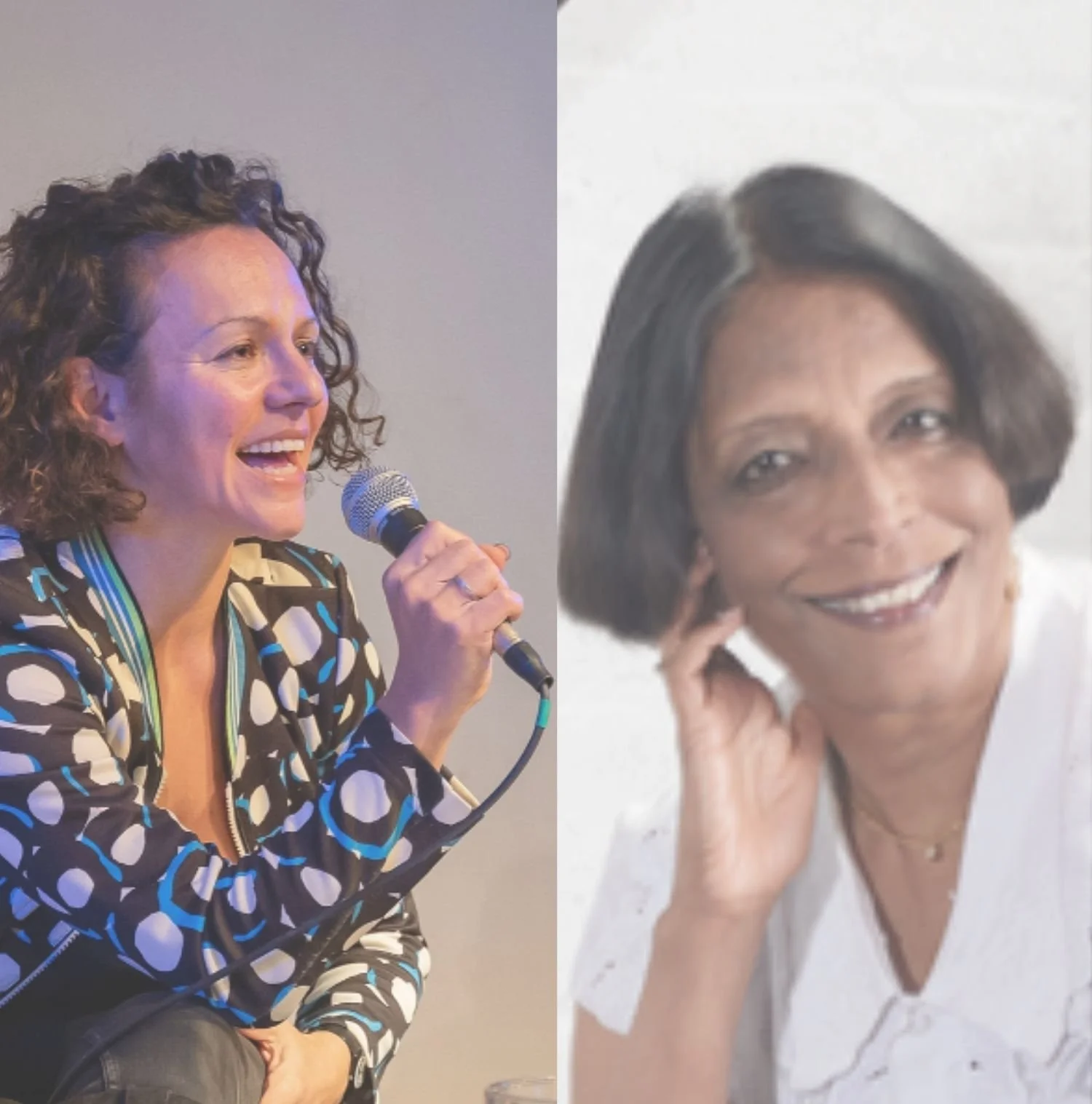
What makes someone English — and who gets to decide?
In this episode of Off Script, Dash Arts' Artistic Director Josephine Burton is joined by choreographer Shobana Jeyasingh, born in India, raised in Sri Lanka and Malaysia, and educated in the UK, whose internationalism has always been at the heart of her practice.
Shobana and Josephine explore what Englishness and Britishness actually mean, and why the tension between them matters. Shobana reflects on how English literature and a culture of open debate shaped her own values, even as she felt, in many ways, an outsider looking in.
At the centre of the conversation is Shobana's production We Caliban, which draws on Shakespeare's The Tempest to interrogate the encounter between non-European cultures and the colonising gaze of Prospero. It's a work about empire, migration, and the questions that remain stubbornly unresolved. The Tempest is also the source material for Dash Arts’ forthcoming production, Our Public House.
Together, Josephine and Shobana make the case for why the arts, more than politics or policy, can hold the complexity that simple definitions of belonging refuse to.
You can now buy tickets for our new touring theatre production, Our Public House. Find out more on the Dash Arts website : https://www.dasharts.org.uk/our-public-house
Our intro music is Fakiiritanssi by Marouf Majidi
"We don't need fortresses; we need ports."
In this episode, Josephine Burton sits down with one of the world's most brilliant minds on myth and belonging, Dame Marina Warner. From the haunting songs of our childhood to the timeless epic of Gilgamesh, Marina explores the radical idea that storytelling isn't just entertainment but survival.
Recorded in Marina’s beautiful, art-filled home, this conversation opens with her mother’s courageous post-war journey to England. Discover the extraordinary story behind Stories in Transit, Marina’s work with young refugees using the power of ancient epics to reclaim their identities, break through language barriers, and turn the tide on "us vs. them" narratives.